What if the most reliable blueprint for success isn’t found in forecasts or trends, but in the quiet traditions people have trusted for generations to face a new year?
Across the world tonight, people are pausing to reflect on this moment between one year and the next. They are marking a threshold. They are looking backward with gratitude or relief, and forward with hope, resolve, and a desire for steadiness in what comes next. Long before annual forecasts, business plans, or resolutions, communities found ways to pause at this moment and set an intention for the year ahead.
Where I come from, intention was never abstract. My roots are deep in the Ozarks and Appalachia. My people were sharecroppers, dependent on weather, soil and timing in ways that made preparation a matter of survival. Hope had to be practical. So we learned to watch closely and pay attention. To read signs in the natural world and respect what they might be telling us.
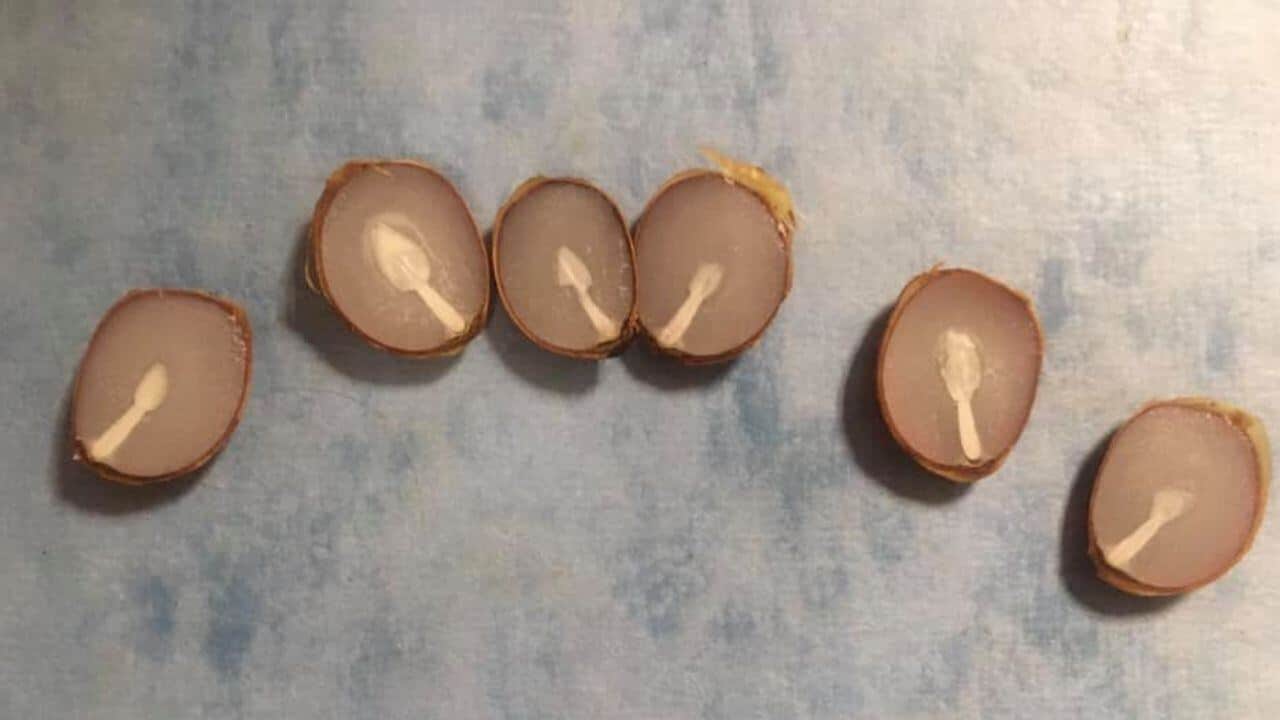
One New Year’s Eve tradition involves persimmons. When you split open a persimmon seed, the shape found will resemble a knife, fork or spoon. According to folk wisdom passed down for generations, that shape foretold the coming winter and also shared insights into the year ahead. A fork meant an abundant harvest and plenty to eat. A spoon meant softer times, but survivable. And a knife meant a hard year ahead. There’s no scientific proof behind this ritual and no clear origin story. It emerged from rural communities observing nature closely because they had to. It wasn’t about certainty. The message is clear:
Be attentive. Enter the year aware, prepared and grounded in reality.
That same instinct appears again and again across cultures, even if the symbols change. In Spain, and later throughout Latin America including Mexico, people eat twelve grapes at midnight. One grape for each month of the year ahead. The message:
Slow down. Acknowledge that a year is not a single outcome, but a sequence of moments that require patience and intention.
In many places including specifically the American South and in Italy, black-eyed peas or lentils are eaten on New Year’s Day resembling coins and symbolizing prosperity. The saying in the South goes, eat poor on New Year’s Eve so you can eat rich the rest of the year. The message:
Restraint and humility are critical groundwork that set the stage for abundance.
In the Netherlands, New Year’s is marked with oliebollen, deep-fried dough balls dusted with sugar. Warm and shared in the heart of winter, they have long symbolized abundance and good fortune, and were once believed to ward off harm as the year turns. Like so many of these traditions, they are less about indulgence than about beginning the year together and remembering and reflection.
In Chinese tradition, long noodles or “longevity noodles” are considered essential for good fortune. A key tradition is to serve them uncut and eat them without breaking, representing an uninterrupted, continuous life and good luck in the coming year. The symbolism is direct.
Be cautious. Do not be careless with opportunity.
In Japan, celebratory New Year meals emphasize fish such as tuna and salmon, symbols of strength and perseverance. Bottom-feeding crustaceans are avoided. This symbolism is also simple and direct.
Aim upward. Do not dwell at the bottom.
In Germany and across Central Europe, pork is the preferred New Year’s meat over chicken. Pigs symbolize wealth and good fortune, but also, pigs root forward, never backward. Chickens scratch behind themselves.
Where you put your energy matters – make sure you’re pushing forward.
In Greece, onions are hung on doors and eaten on New Year’s Day. Once symbols of fertility, they now represent rebirth and expansion. Onions reveal themselves in layers.
Success is rarely instant. Sometimes it unfolds and requires diligence.
Across Europe,flaky pastries appear on New Year’s tables, each with its own local meaning. In France, families share galette des rois. In Bulgaria, banitsa is served with charms baked inside. In Spain, rosca de reyes hides a small figure. In Greece, vasilopita contains a coin. In each case, the person who finds the trinket is said to receive good fortune in the year ahead, often paired with responsibility.
Luck is rarely free of obligation.
In Greece, pomegranates, long associated with fertility and life, play a role in New Year celebrations. A whole fruit is thrown across the floor, bursting open and scattering seeds in every direction. Each seed symbolizes abundance.
Prosperity, it turns out, is not always neat. It can sometimes surprise you. Be ready to pick up abundance when it presents itself.
In Germany, a New Year’s pretzel, or neujahrsbrezel, is broken and shared for luck and prosperity. In Ireland, January 1 is sometimes called the Day of Buttered Bread. Bread is tapped against door frames to chase away bad luck or shared generously with friends and neighbors to invite good fortune in.
Abundance should be communal and is best when shared.
Across cultures, the New Year is not about spectacle or shortcuts. It is about steadiness. About signaling readiness. About entering the year with humility and care.
At Zynik, this way of thinking mirrors how we approach business and leadership. We believe that patience, diligence, and preparedness are the true drivers of success. Not chasing fads and not mistaking speed for progress. We work hard and are proud of our successes, but we are careful to keep in mind that our success serves a purpose: to make a meaningful difference in the lives of our associates and in the communities where we operate.
Like those who cut open persimmon seeds, we pay attention. We prepare. We invest for the long term. We understand that resilience is built long before challenges arrive, and that real growth takes time.
As this year closes and a new one begins, we hope you find a moment to pause, to reflect on what truly sustains success and to enter the year ahead grounded, prepared, and purposeful. Here’s to a year built patiently, shared generously, and measured not only by results, but by meaning.